logo

details van de producten

Created with Pixso. Huis Created with Pixso. Producten Created with Pixso.
Weerstandsdraad
Created with Pixso.

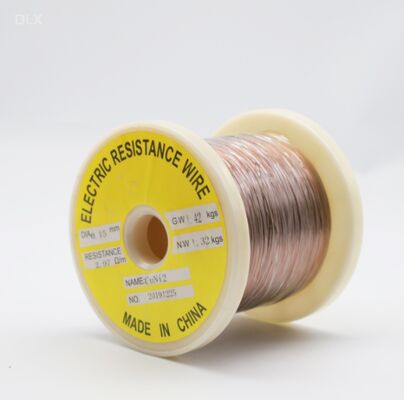
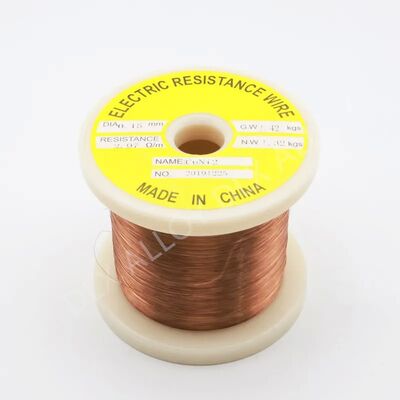
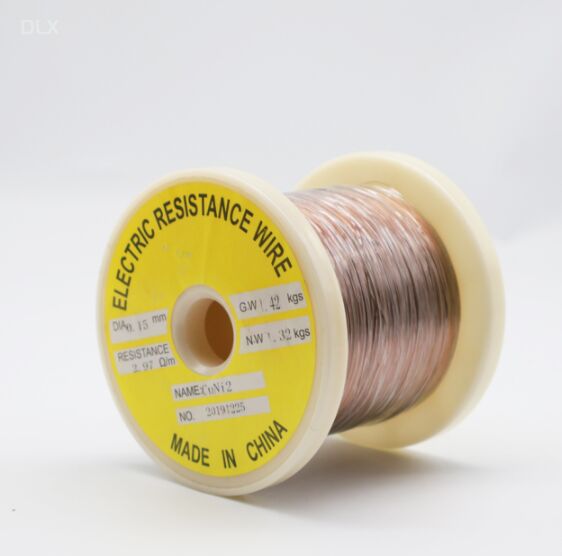
High-Performance CuNi2 Alloy Wire for Electrolysis Hydrogen Applications

High-Performance CuNi2 Alloy Wire for Electrolysis Hydrogen Applications

Merknaam: DLX
Modelnummer: CuNi2 draad
Moq: 10 kg
Betalingsvoorwaarden: L/C, D/A, D/P, T/T, Western Union
Toeleveringsvermogen: 500 ton per maand
Gedetailleerde informatie
Plaats van herkomst:
China, Jiangsu
Certificering:
Ce,Rohs
Levering vermogen:
500 ton per maand
Markeren:

CuNi2 alloy resistance wire

,

electrolysis hydrogen resistance wire

,

high-performance CuNi2 wire

Productomschrijving
High-Performance CuNi2 Alloy Wire for Electrolysis Hydrogen Applications
High-Performance CuNi2 Alloy Wire for Electrolysis Hydrogen Applications 0
As the world transitions toward sustainable energy, hydrogen production has become central to the global energy agenda. Water electrolysis, powered by renewable energy, is a leading method for producing green hydrogen. High-performance materials that withstand demanding electrolysis conditions are essential, and CuNi2 alloy wire has emerged as a premier choice, offering superior corrosion resistance, thermal stability, and electrical conductivity.
Understanding CuNi2 Alloy Wire
CuNi2 alloy wire is a copper-nickel alloy composed of 98% copper and 2% nickel. This combination delivers the high electrical conductivity of copper with the corrosion resistance and thermal stability of nickel. In electrolysis systems, electrical energy splits water into hydrogen and oxygen, requiring reliable electrode materials. CuNi2 alloy wire provides an efficient, cost-effective solution that withstands harsh chemical and thermal conditions in both alkaline and PEM (Proton Exchange Membrane) electrolysis cells, ensuring long-term performance and reliability.
Material Properties
Material Resistivity 200°C μΩ.m Max Working Temperature (°C) Tensile Strength (MPa) Melting Point (°C) Density (g/cm³) TCR *10⁻⁶/°C (20-600°C) EMF vs Cu (μV/°C) (0-100°C)
CuNi1 0.03 200 210 1085 8.9 <100 -8
CuNi2 0.05 200 220 1090 8.9 <120 -12
CuNi6 0.1 220 250 1095 8.9 <60 -18
CuNi8 0.12 250 270 1097 8.9 <57 -22
CuNi10 0.15 250 290 1100 8.9 <50 -25
CuNi14 0.2 300 310 1115 8.9 <30 -28
CuNi19 0.25 300 340 1135 8.9 <25 -32
CuNi23 0.3 300 350 1150 8.9 <16 -34
CuNi30 0.35 350 400 1170 8.9 <10 -37
CuNi34 0.4 350 400 1180 8.9 0 -39
CuNi44 0.5 400 420 1200 8.9 <-6 -43
Size Range
Wire: 0.08-7.5mm
Ribbon: (0.05-0.35)×(0.5-6.0)mm
Strip: (0.50-2.5)×(5-180)mm
Rod: 8-50mm
Key Features of CuNi2 Alloy Wire
  • Excellent Corrosion Resistance - Superior protection against corrosive alkaline or acidic electrolytes in electrolysis cells, extending wire lifespan and reducing maintenance.
  • High Electrical Conductivity - Maintains copper's high conductivity with nickel's added strength, ensuring minimal energy loss and higher hydrogen production rates.
  • Thermal Stability - Operates at temperatures up to 300°C without losing mechanical properties, ideal for high-temperature electrolysis with reliable continuous operation.
  • Mechanical Strength and Durability - Tensile strength of 430 MPa withstands mechanical stresses, pressure, and vibrations in electrochemical cells.
  • Low Coefficient of Thermal Expansion - Reduces thermal stress risk from temperature fluctuations, preventing material fatigue and ensuring long-term stability.
High-Performance CuNi2 Alloy Wire for Electrolysis Hydrogen Applications 1 High-Performance CuNi2 Alloy Wire for Electrolysis Hydrogen Applications 2
Advantages in Electrolysis Systems
  • Increased Efficiency - Optimal energy transfer with excellent electrical conductivity reduces energy losses and increases hydrogen yields while lowering operational costs.
  • Extended System Lifespan - Corrosion resistance and mechanical strength significantly reduce maintenance frequency and part replacement needs.
  • Cost-Effective Large-Scale Production - Scalable solution for growing green hydrogen demand by minimizing downtime and improving overall system performance.
  • Versatility Across Technologies - Compatible with both alkaline and PEM electrolysis systems, delivering consistent results across different hydrogen generation methods.
Hydrogen Economy and Green Hydrogen Demand
Hydrogen is increasingly recognized as a clean fuel alternative for decarbonizing transportation, power generation, and industrial processes. Green hydrogen, produced via electrolysis using renewable energy sources like solar and wind, is driving the global hydrogen economy. As the world moves toward net-zero emissions, efficient, scalable hydrogen production methods are essential. CuNi2 alloy wire enhances electrolysis system efficiency and longevity, meeting the growing demand for sustainable hydrogen production.
Applications of CuNi2 Alloy Wire
  • Hydrogen Production via Electrolysis - Used in alkaline and PEM electrolysis systems to improve hydrogen production efficiency with high electrical conductivity and corrosion resistance.
  • Energy Conversion Systems - Ideal for high-efficiency applications like fuel cells and batteries due to thermal stability and excellent electrical properties.
  • Industrial Heating Applications - Widely used in furnaces, ovens, and thermal processing equipment requiring high resistance and durability under extreme conditions.
  • Power Generation and Distribution - Suitable for power generation and energy distribution systems, ensuring consistent performance in challenging environments.
High-Performance CuNi2 Alloy Wire for Electrolysis Hydrogen Applications 3 High-Performance CuNi2 Alloy Wire for Electrolysis Hydrogen Applications 4
Why Choose DLX for CuNi2 Alloy Wire?
  • Premium Material Quality - Manufactured to highest standards ensuring consistent electrical conductivity, thermal stability, and corrosion resistance.
  • Custom Solutions - Customized wire diameters and specifications to meet unique electrolysis system requirements.
  • Global Reach with Fast Delivery - Worldwide distribution network ensures timely delivery within budget.
  • Comprehensive Technical Support - Expert support from material selection through system integration and troubleshooting.
High-Performance CuNi2 Alloy Wire for Electrolysis Hydrogen Applications 5 High-Performance CuNi2 Alloy Wire for Electrolysis Hydrogen Applications 6 High-Performance CuNi2 Alloy Wire for Electrolysis Hydrogen Applications 7
Frequently Asked Questions
What is CuNi2 alloy wire made of?
CuNi2 alloy wire is composed of 98% copper and 2% nickel, providing optimal balance of high electrical conductivity and corrosion resistance.
How does CuNi2 alloy wire improve hydrogen production efficiency?
Minimizes energy loss through high electrical conductivity, enabling faster and more efficient hydrogen production in electrolysis systems.
Is CuNi2 alloy wire suitable for high-temperature electrolysis?
Yes, operates at temperatures up to 300°C, making it ideal for high-temperature electrolysis applications.
What is the lifespan of CuNi2 alloy wire in electrolysis systems?
Superior corrosion resistance and mechanical strength significantly extend lifespan compared to pure copper or other metals, reducing replacement frequency.
Can CuNi2 wire be used in both alkaline and PEM electrolysis?
Yes, compatible with both alkaline electrolysis and PEM electrolysis systems, offering versatility across hydrogen production methods.
How can I customize CuNi2 wire for my electrolysis system?
DLX offers customized wire diameters, lengths, and specifications to meet specific project requirements.
What other applications can CuNi2 wire be used for?
Used in fuel cells, energy conversion systems, industrial heating applications, and other processes requiring high conductivity and thermal stability.
Why should I choose DLX for CuNi2 alloy wire?
DLX provides high-quality CuNi2 alloy wire with customization options, global distribution, and technical support for optimal electrolysis system performance.